Take a seat
Research / Soccer / Lex Fridman.
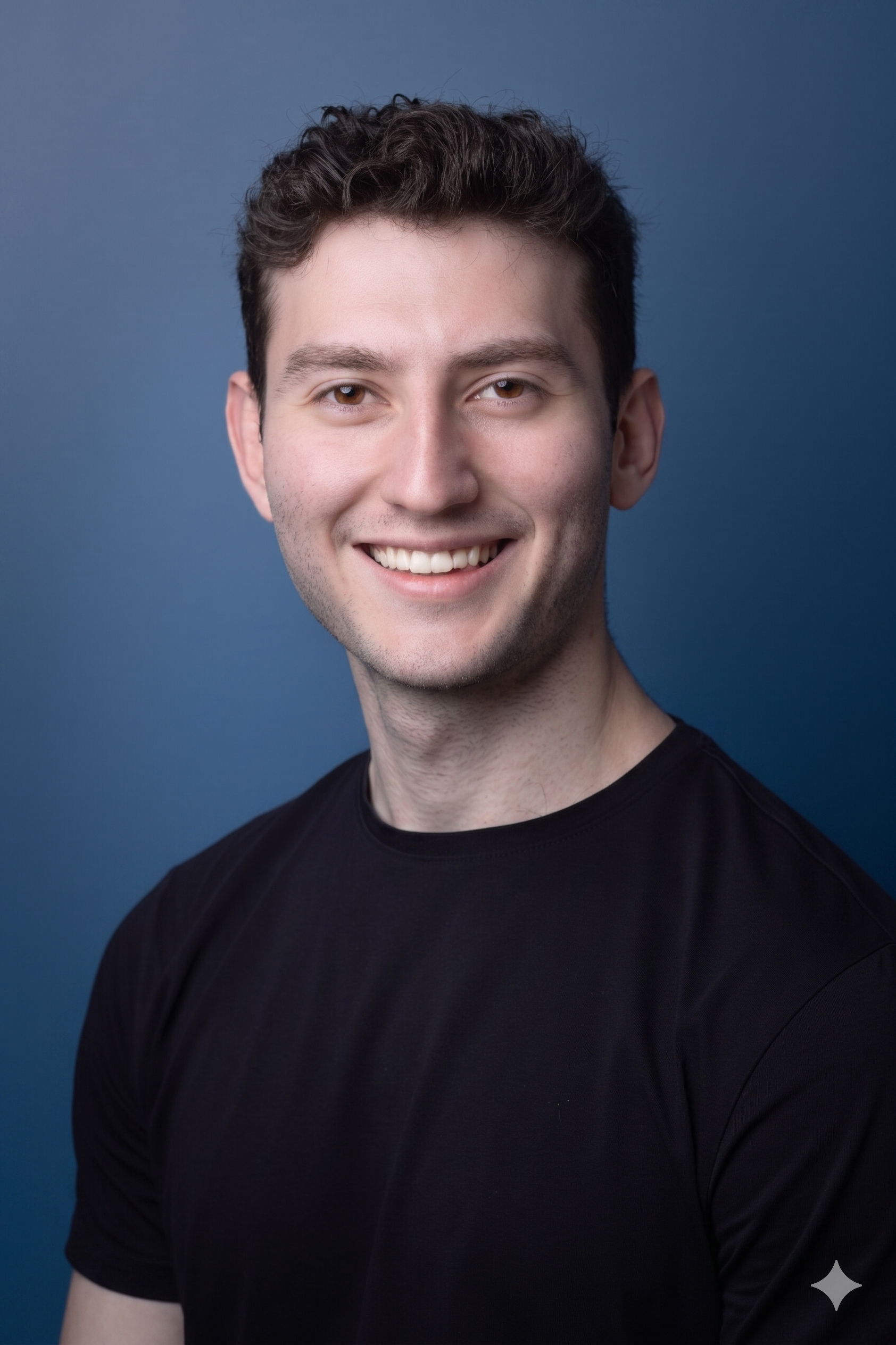
Hi, I’m Furkan. I’m a PhD student in Statistics at the University of Toronto and a researcher at the Vector Institute, co-supervised by Dehan Kong (Statistics) and Zhijing Jin (Computer Science).
In one sentence: I build statistical and AI tools that answer “what if?” questions (what if this patient had gotten a different treatment, what if this policy had changed), and I check whether AI systems actually understand cause and effect or are just very confident guessers.
What I work on, in plain English
Statistics
The question. Did the medicine make you better, or would you have gotten better anyway? Answering "what if" questions like this normally takes an expert weeks of careful modelling, for every new dataset.
What I do. I train one model on millions of simulated worlds, so it learns to answer "what if?" for a brand-new dataset in seconds. Researchers call this a causal foundation model. I also build methods that recover the full shape of data that only arrives in bins ("50 people earn $100k–$120k…"), and prove when they're guaranteed to work.
Correlation is not causation. I'm teaching this to machines; plenty of humans are still taking the course.
Statistics papers →Economics
The question. What happens when you lend money to a stranger on the internet, with no bank in the middle? And what if AI agents ran the systems banks use to move billions to each other every day?
What I do. At the Bank of Canada I studied decentralized-finance (DeFi) lending: what it earns, how much borrowing it piles up, and what happens when it all gets liquidated. I also built a simulated payment system where AI agents play fund managers, and watched how they strategize.
My most-read work (300,000+ views) is about lending money to strangers on the internet. I have made peace with this.
Economics papers →Healthcare
The question. Dense breast tissue raises the risk of breast cancer, but it also makes tumours harder to spot on a mammogram. How do you tell those two effects apart?
What I do. I build models that follow women's mammograms over 5–8 years and separate "this raises your risk" from "this hides the cancer". That work won the best student presentation award at the Statistical Society of Canada in 2026. I also do the statistics for clinical studies, from burnout among cancer doctors to how patients feel about AI in their care.
The place where a p-value stops being abstract.
Healthcare papers →LLMs
The question. Do chatbots like ChatGPT actually understand cause and effect, or do they just sound like they do?
What I do. I build tests that check whether LLMs can do the cause-and-effect analysis in real scientific studies (CauSciBench, ICML 2026). I also look inside these models to see where "culture" lives, and teach them to recognize the same causal story told in different words.
They're very confident. We're checking whether they should be.
LLM papers →How I got here
Lately
- 2026 Won an NSERC Canada Graduate Research Scholarship. The Government of Canada is now officially funding my curiosity.
- Jun 2026 Best Student Research Presentation, Statistical Society of Canada (Biostatistics Section), for the mammogram work.
- 2026 CauSciBench is at ICML 2026. Can AI do the cause-and-effect analysis in real scientific papers? (Spoiler: read the paper.)
- 2026 The mammogram paper made it onto Turkish national news. Both new preprints are on arXiv: mammograms and binned data.
- Sep 2025 Started the PhD, and started teaching tutorials for STA313 (Data Visualization, where I gently discourage pie charts) and STA238.
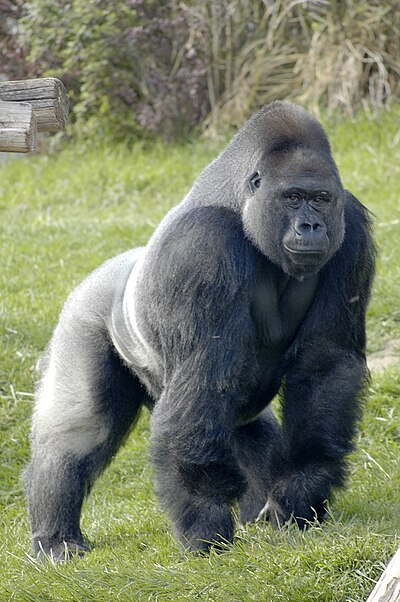
My ultimate goal in life is to be friends with a gorilla.